
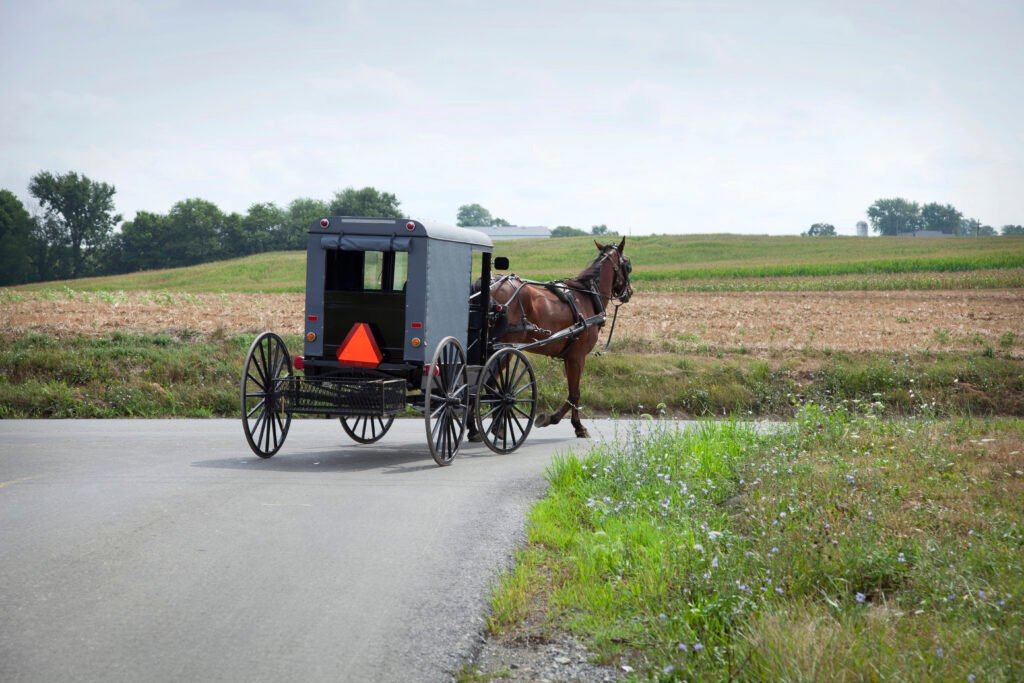
Last summer, we visited Amish country in Pennsylvania, and I’ll never forget watching this young shepherd boy when a sudden storm rolled in. Dark clouds gathered fast, thunder rumbled overhead, and you could see the sheep getting nervous, bleating and scattering. But this kid – couldn’t have been more than twelve – he didn’t panic. He started gently pushing those sheep toward the barn, his voice calm and steady, guiding them to safety before the rain hit. Standing there watching him, something clicked. The next morning when I opened my Bible to Psalm 23, those familiar words hit me completely different.
Instead of just reading “The Lord is my shepherd,” like I’d done a thousand times before, I found myself actually saying out loud, “God, I really need you to shepherd me through this crazy day.” It felt weird at first. Like I was talking to myself or making up some spiritual experience that wasn’t real. I mean, who actually talks back to their Bible? But then I realized something beautiful – prayer isn’t about perfect words or proper theology. It’s about honest conversation with someone who actually cares.
That morning marked a turning point for me. Scripture stopped being this one-way information download and became the starting point for real dialogue. When I read about God’s provision, I started admitting where I felt anxious about money. When verses talked about peace, I’d confess how stressed I was feeling about my teenager’s choices or my husband’s job situation.
What I discovered is that people naturally adjust their prayers based on what’s happening in their lives. When positive events unfold – a promotion at work, a clean bill of health from the doctor, watching your kid succeed at something – we naturally pray with more thanksgiving and adoration. But when life gets hard, when the car breaks down or relationships get strained or you’re lying awake at 3 AM worrying about the future, we shift to asking for help.
I started noticing how my daily emotions mapped perfectly onto different types of prayer. Guilt led to confession – those moments when I’d snapped at my family or let my patience run thin, and I’d find myself apologizing to God and asking for His forgiveness. Gratitude led to praise – mornings when I’d wake up thankful for hot coffee and a warm house and people who loved me despite my flaws. Fear led to asking for help – when uncertainties about health or finances or relationships made me feel small and overwhelmed.

Prayer became this real-time dialogue that mirrored whatever I was actually experiencing, not some scripted religious performance I had to get right. Instead of trying to sound spiritual or use fancy church language, I started praying like I was talking to my best friend. Because honestly, that’s what it is.
The beautiful thing about turning Scripture into personal conversation is that those ancient words become present-moment guidance for real-life situations. When I read about God being a refuge and strength, instead of just thinking “that’s nice,” I started saying, “I need you to be my refuge today because this situation with my mother-in-law is making me crazy.” When verses talked about casting all my cares on Him, I’d actually start listing them – the bills that were due, the argument I’d had with my husband, the worry about my son’s college applications.

Research shows that people who pray daily have more stable emotional patterns because prayer helps process whatever the day brings. It’s like having a built-in therapy session with someone who has unlimited wisdom and infinite patience. Instead of letting emotions build up until they explode or stuffing them down until they make you sick, you have this outlet for working through everything as it happens.
I remember one morning reading Jesus’ words about peace that passes understanding, and instead of just highlighting it in my Bible, I found myself saying, “I don’t understand what’s happening with our finances right now, and I really need that peace you’re talking about.” It wasn’t eloquent or theologically sophisticated, but it was honest. And somehow, in that honesty, I felt heard.
What started happening is that Scripture began speaking directly into my circumstances instead of feeling like ancient history. David’s psalms about feeling overwhelmed suddenly connected with my own feelings about juggling work and family and trying to keep everyone happy. Jesus’ words about not worrying spoke directly to my 2 AM anxiety sessions about everything that could go wrong.

Prayer stopped feeling like something I had to do and started feeling like something I got to do. Like having access to the wisest counselor, the most patient friend, the most loving parent – all rolled into one, available 24/7, never too busy to listen.

The shift from just reading to actually conversing changed everything about my devotional time. Instead of trying to extract lessons or find applicable principles, I started having actual dialogue with God about what I was reading. When I came across verses about forgiveness, I’d talk to Him about the people I was struggling to forgive. When I read about His faithfulness, I’d share my doubts and fears about situations where I couldn’t see His hand.
Sometimes the conversations got messy. I’d complain about things that weren’t going my way or admit jealousy toward friends whose lives seemed easier. But here’s what I discovered – God can handle your honest emotions better than your fake spirituality. He’d rather have your real questions than your pretend faith.
When you turn Scripture into personal conversation, you’re not just reading about God’s love – you’re actually experiencing it in the middle of your messy, beautiful life. Those morning moments stop being about checking off a spiritual requirement and become this anchor point where you remember who you are and whose you are before the world starts making its demands.
Prayer became as natural as breathing, woven throughout my day instead of confined to morning quiet time. And suddenly, that young Amish shepherd pushing sheep to safety made perfect sense – sometimes we all need someone to guide us home.