
You know what breaks my heart?
Driving through small towns and seeing those beautiful old churches turned into condos, restaurants, or coffee shops.
Historic sanctuaries where generations prayed are now selling lattes where the altar used to be.
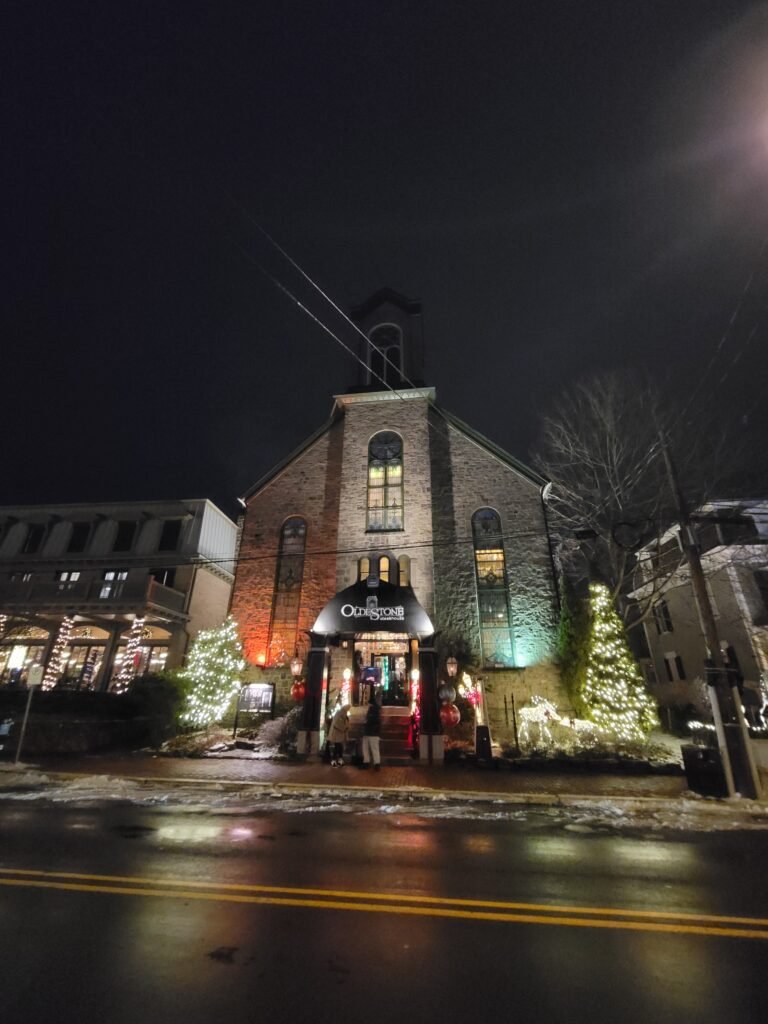
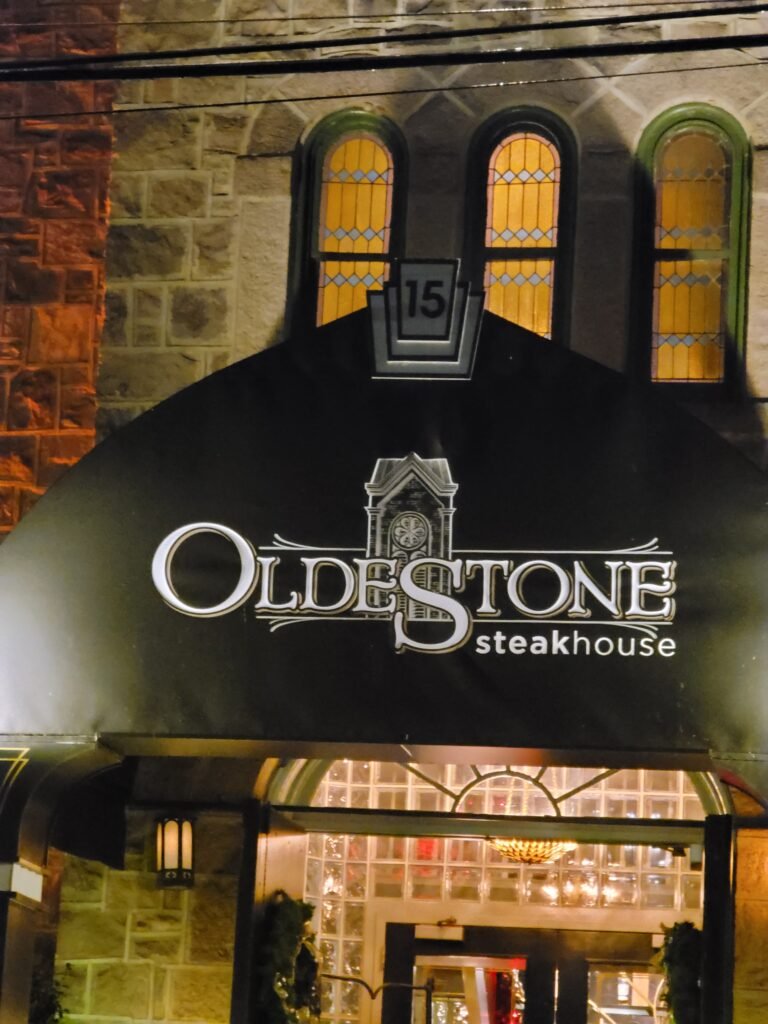
But here in Doylestown, Pennsylvania, there’s St. Paul’s Episcopal Church. Still standing. Still worshipping. Still serving after 180 years. When I first walked through those doors, I couldn’t help but wonder—what makes some foundations last while others crumble?
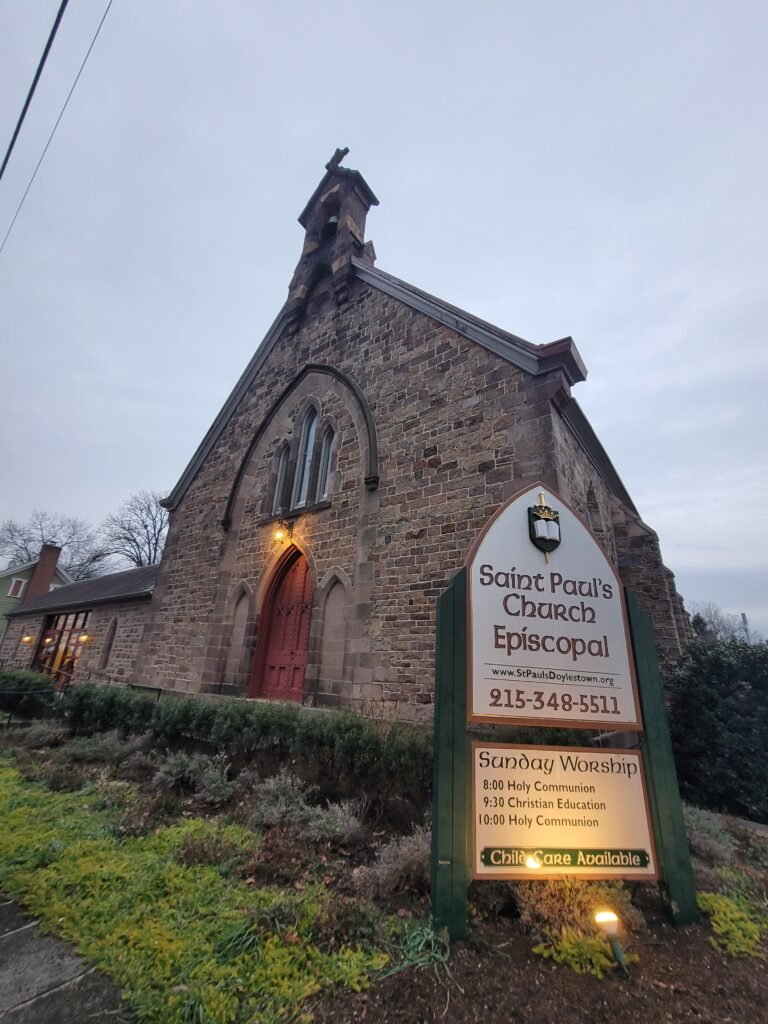
I’ve watched three churches close in my lifetime. Each time, I thought the building was the problem. Too old. Too small. Too expensive to maintain. But St. Paul’s taught me something different about what really lasts when everything else falls apart.
The Foundation That Started Small
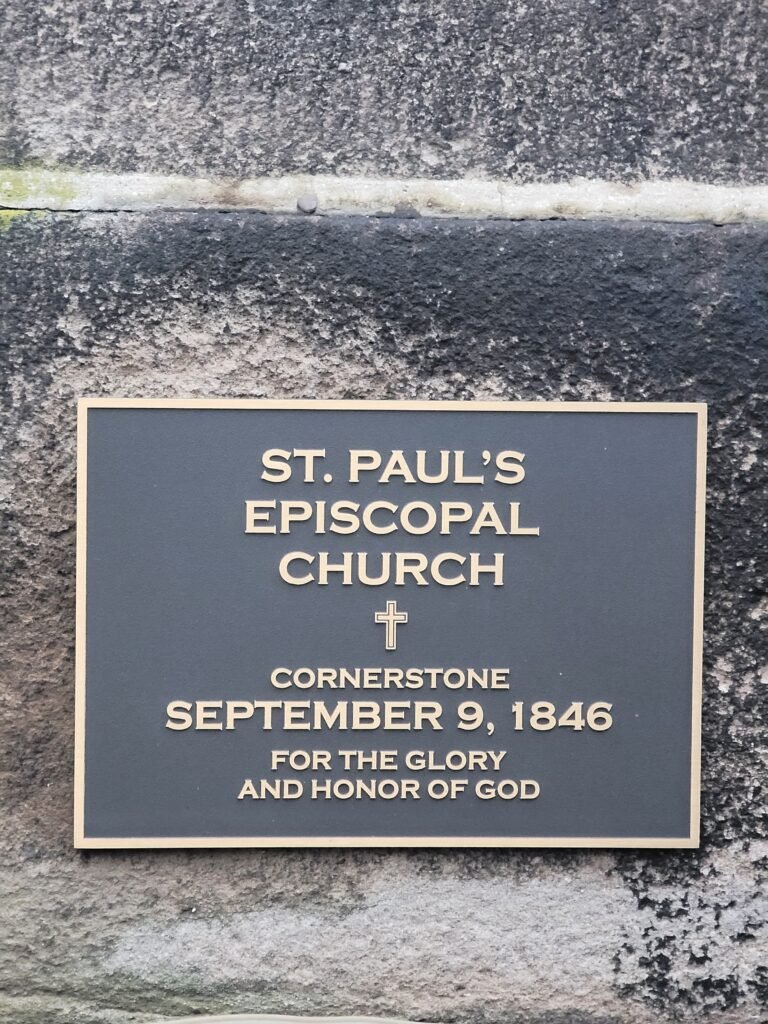
Back in 1846, a small group of locals had a simple problem. They wanted to worship God, but the nearest Episcopal church was all the way in Philadelphia. So they did what we often forget to do—they started where they were, with what they had.
Rev. George Hopkins didn’t wait for a grand cathedral or a big congregation. He gathered a handful of families and built a simple stone church. No stained glass windows yet. No fancy architecture. Just people who wanted to meet with God without traveling miles to do it.
This reminds me of how Jesus chose His disciples. He didn’t wait for the perfect candidates with seminary degrees. He found fishermen by the lake and said, “Follow me.” The kingdom of God starts small, in ordinary places, with ordinary people who just want to be close to Him.
I grew up in a non-Christian family, and I often wish I could have attended churches like St. Paul’s when I was younger. But God had His own timing. When I became a believer as a young adult, someone shared the Gospel with me in the simplest, most beautiful way. A friend of our family told us about Jesus as if He were her best friend. Nothing fancy. No dramatic altar call. Just a simple truth shared with love.
I think we miss this sometimes. We wait for the perfect conditions to start following Jesus seriously. We tell ourselves we’ll get serious about prayer when life calms down. We’ll start serving when we have more time. We’ll begin reading the Bible when we understand it better.
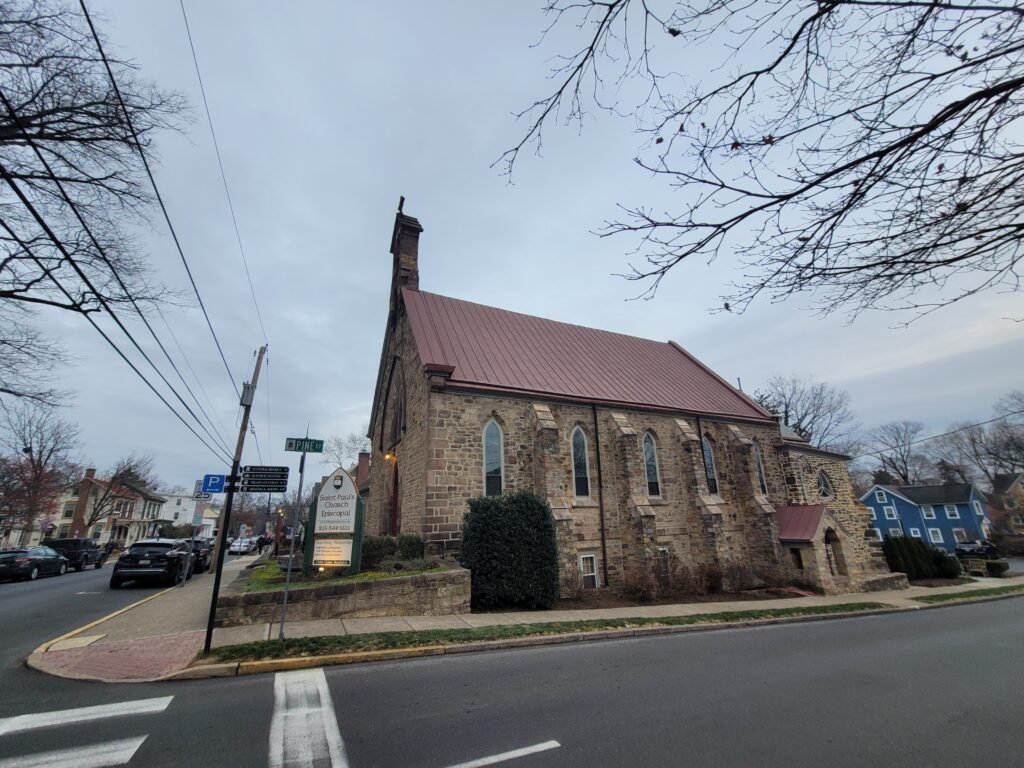
But the people of St. Paul’s didn’t wait for perfect conditions. They started with local worship—meeting God right where they were. And you know what? That’s still what faith looks like today. It’s not about having all the answers or feeling spiritually mature enough. It’s about showing up to meet with God in your kitchen, in your car, in the ordinary moments of your day.

The danger isn’t in starting small. The danger is in never starting at all because we’re waiting for something bigger, better, or more convenient. Those founders in 1846 could have kept making the trip to Philadelphia. They could have complained about the inconvenience. Instead, they decided to create a place where they could worship locally, consistently, and intimately.
What would “local worship” look like in your life today? Maybe it’s five minutes of prayer before your morning coffee. Maybe it’s reading one verse during your lunch break. Maybe it’s choosing gratitude instead of complaining during your commute. The foundation that lasts isn’t built in grand gestures—it’s built in the small, daily decisions to meet with God wherever you are.
What Survives the Renovations
Over the years, St. Paul’s has been through some serious changes. They expanded the building. They added Gothic Revival details. In the early 1900s, they completely remodeled to achieve what they called an “eleventh-century Romanesque” style. Recently, they’ve used modern technology to scan the building and discover hidden artifacts from its past.
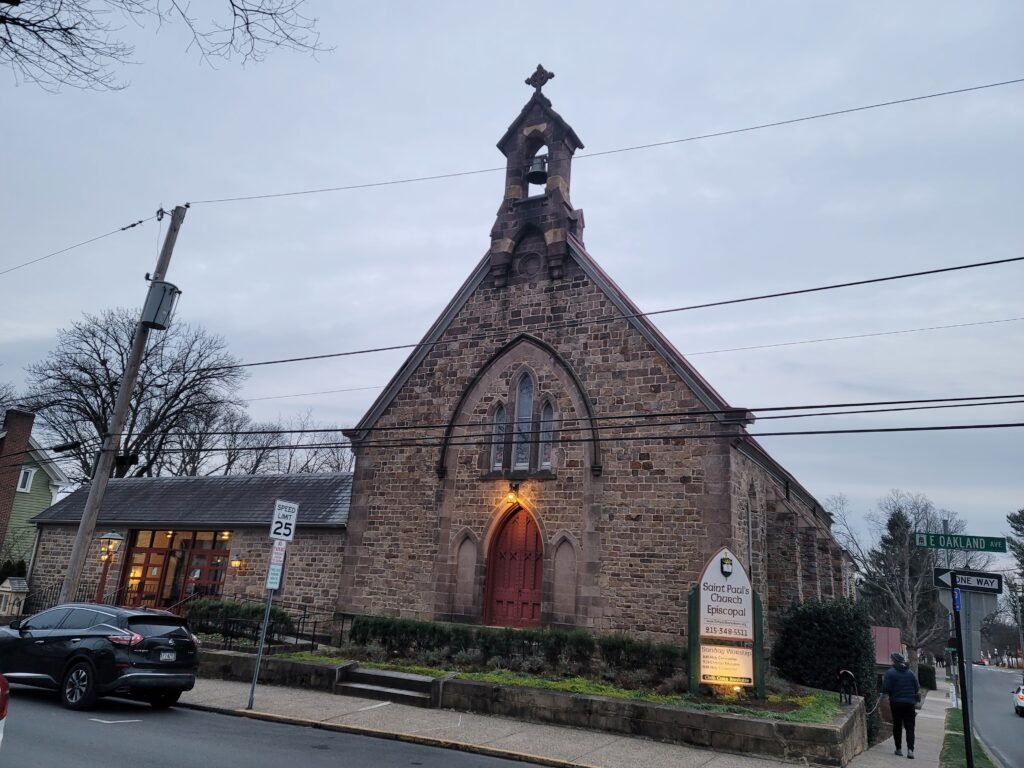
But here’s what fascinates me—through all these renovations, the foundation never moved. The core structure remained solid while everything else got updated, improved, and sometimes completely redone.
This is exactly what happens in our spiritual lives. Life has a way of remodeling us whether we want it or not. Loss changes our prayer life. Disappointment reshapes our expectations. Joy expands our capacity for worship. But if our foundation is solid—if it’s built on Christ—we can survive any renovation.
I learned this the hard way when my father died unexpectedly. Suddenly, all my neat theological answers felt hollow. My prayer life, which had been comfortable and predictable, became raw and desperate. The way I understood God’s goodness had to be completely remodeled.
But you know what didn’t change? The foundation. Jesus was still Jesus. God’s love was still real. His promises were still true. The renovation was painful, but it wasn’t destruction. It was actually making room for a deeper, more honest faith.
The difference between surface changes and foundation cracks is crucial. When St. Paul’s added new windows or updated the interior, they were improving the building. But if they had ignored cracks in the foundation, all those beautiful improvements would have eventually collapsed.
Some churches close not because their buildings are old, but because they let their foundations crack. They stopped preaching the Gospel. They stopped believing in the power of prayer. They stopped expecting God to move. The building might look fine from the outside, but without a solid foundation, it can’t survive the storms.
This is why it’s so important to know what’s foundational in your faith versus what’s just decoration. Your denomination might be decoration. Your preferred worship style might be decoration. Your favorite Bible translation might be decoration. But Jesus Christ as Lord and Savior? That’s foundation. The authority of Scripture? Foundation. The power of prayer? Foundation.
When life starts renovating you—and it will—hold tight to the foundation and let everything else be flexible.
Still Standing in the Heart
Today, St. Paul’s isn’t just surviving—it’s thriving. Right in the heart of Doylestown, they’re still offering worship, outreach, and spiritual formation. They’re not a museum piece; they’re a living, breathing community of faith.
The secret to lasting 180 years isn’t about having perfect stones or beautiful architecture. It’s about staying engaged with the community, staying rooted in purpose, and staying connected to the God who never changes.
So here’s my challenge for you: build your life on the only foundation that never shifts. Start your local worship today, right where you are. Let God renovate what needs changing, but keep your foundation solid on His unchanging love.