
It is so good to be with you this morning.
I have to tell you, my family and I were doing a little Pennsylvania road trip, just a short one, and we ended up in Elizabethtown. If you know Elizabethtown, you know it’s home to this absolutely spectacular place called The National Christmas Center Museum.

Now, if you’re anything like me, you walk into a place with a name like that, and you expect one thing: glitter, maybe a few too many Santa figurines, and definitely some very questionable reindeer sweaters. That’s what I was prepared for. I was ready for tinsel and maybe a tiny, beautiful nativity scene.
But then, you know what we found? We found the Titanic.
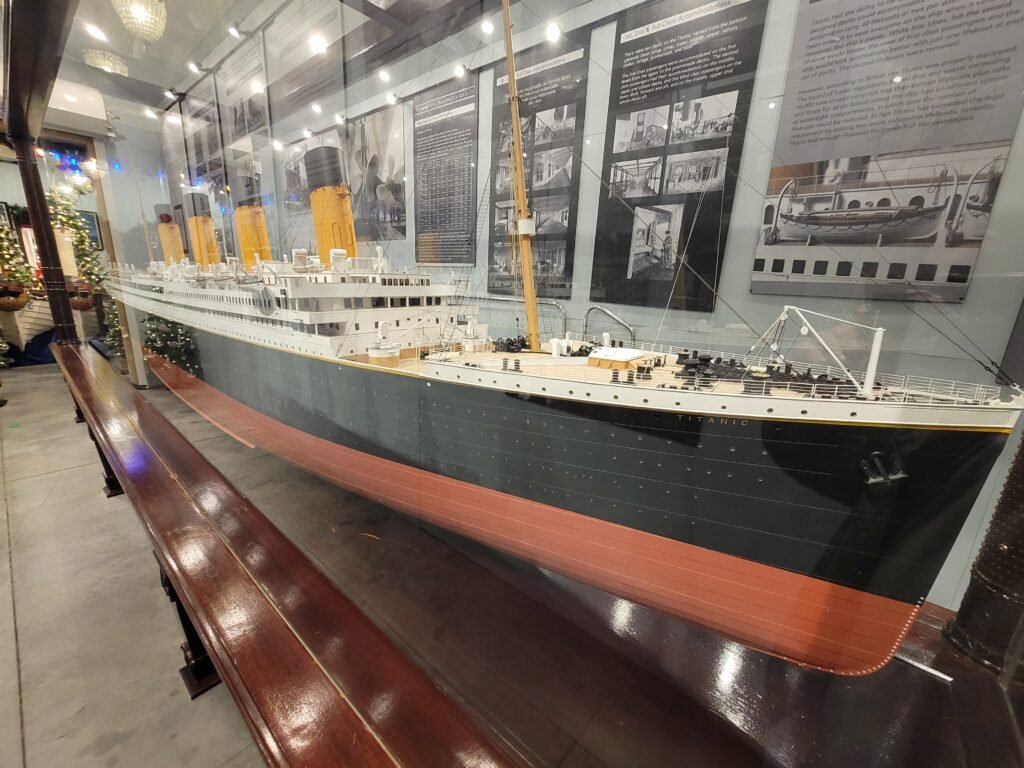
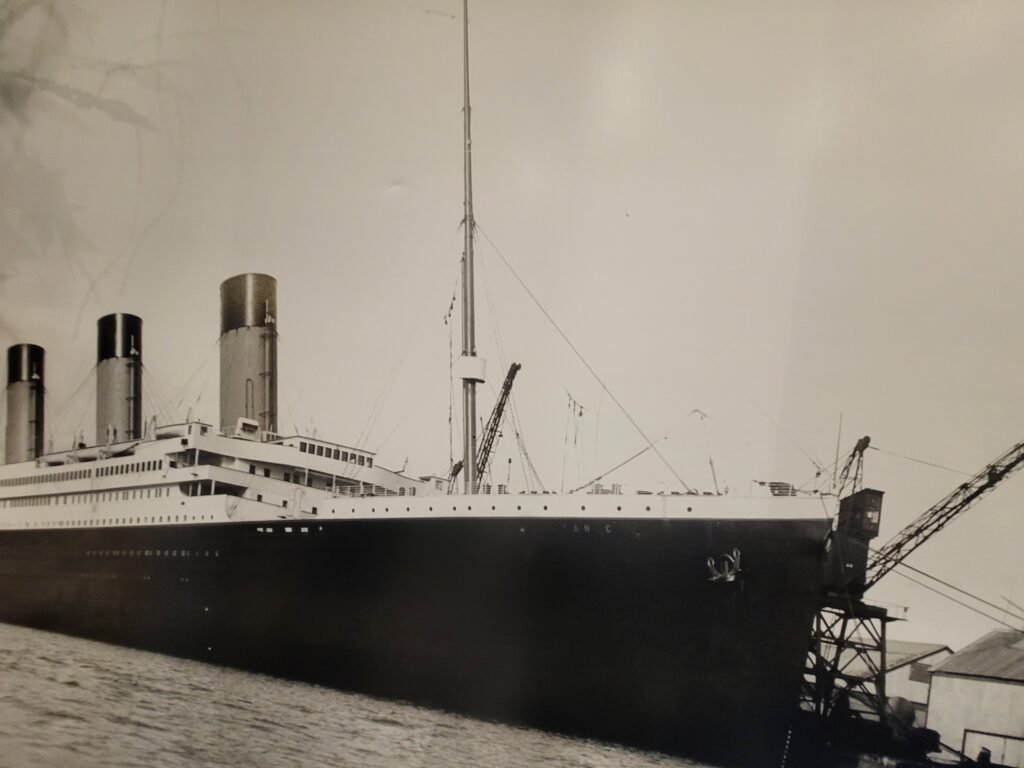
I’m serious! I’m standing there, surrounded by what they call the “toy soldier boy’s toy store,” and right in the middle of this beautiful, festive holiday display, there is a world-class, 22-foot-long, 5,500-pound builder’s model of the RMS Titanic. It was massive. It was stunning. It had miles of tiny fiber-optic lights to show off every detail.
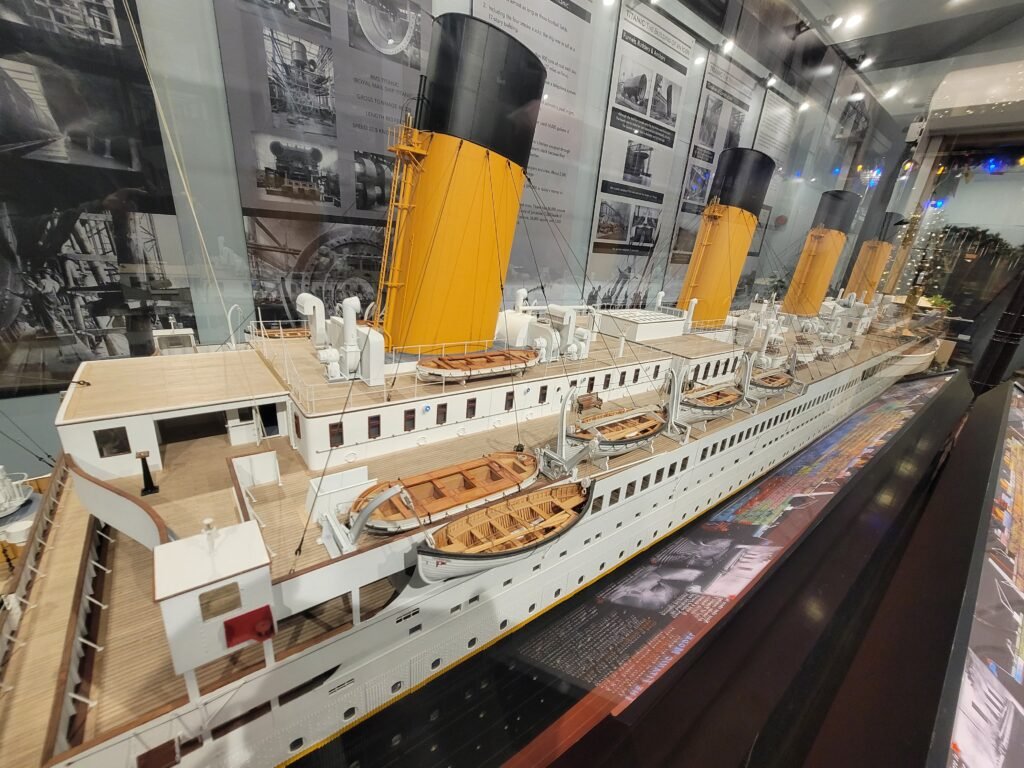
I just stood there, staring. What is the biggest, most famous ship disaster in history doing in the National Christmas Center?
It was such a strange, wonderful sight. But it also got me thinking about the story of that ship. You know, the Titanic was considered “unsinkable.” It was this massive symbol of human achievement, speed, and confidence. It was built to be the best and the fastest.
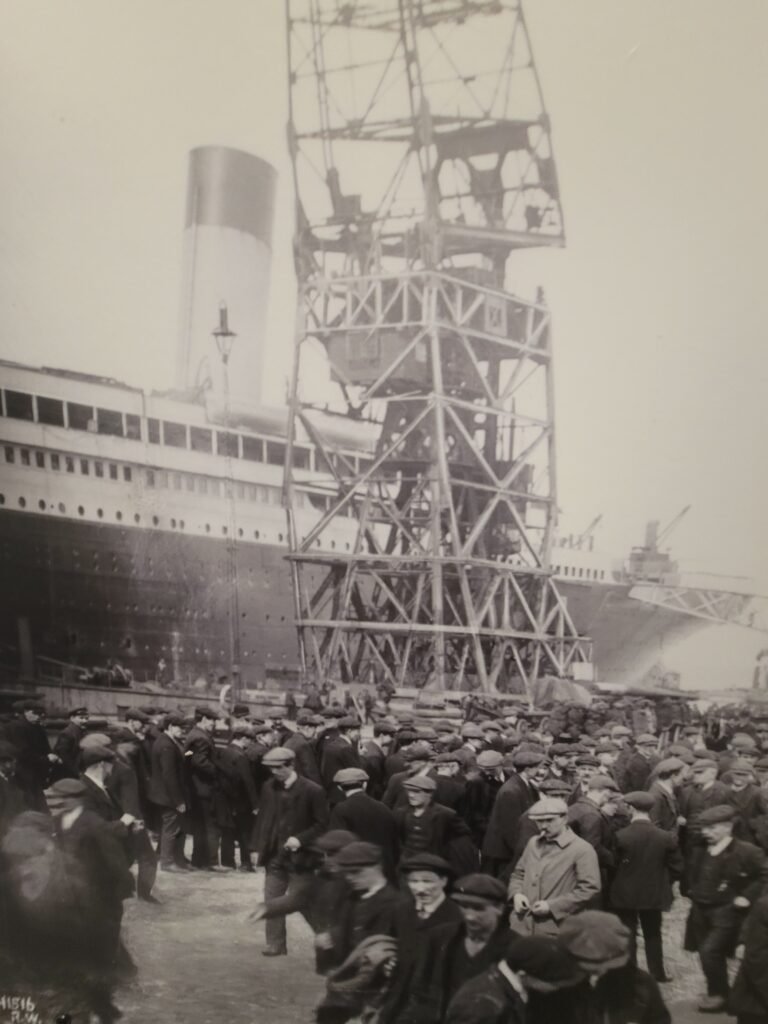
And that’s where the lesson hit me. It wasn’t about the iceberg, not really. It was about all the little, seemingly unimportant things that led up to it.
The Danger of Being Too Busy
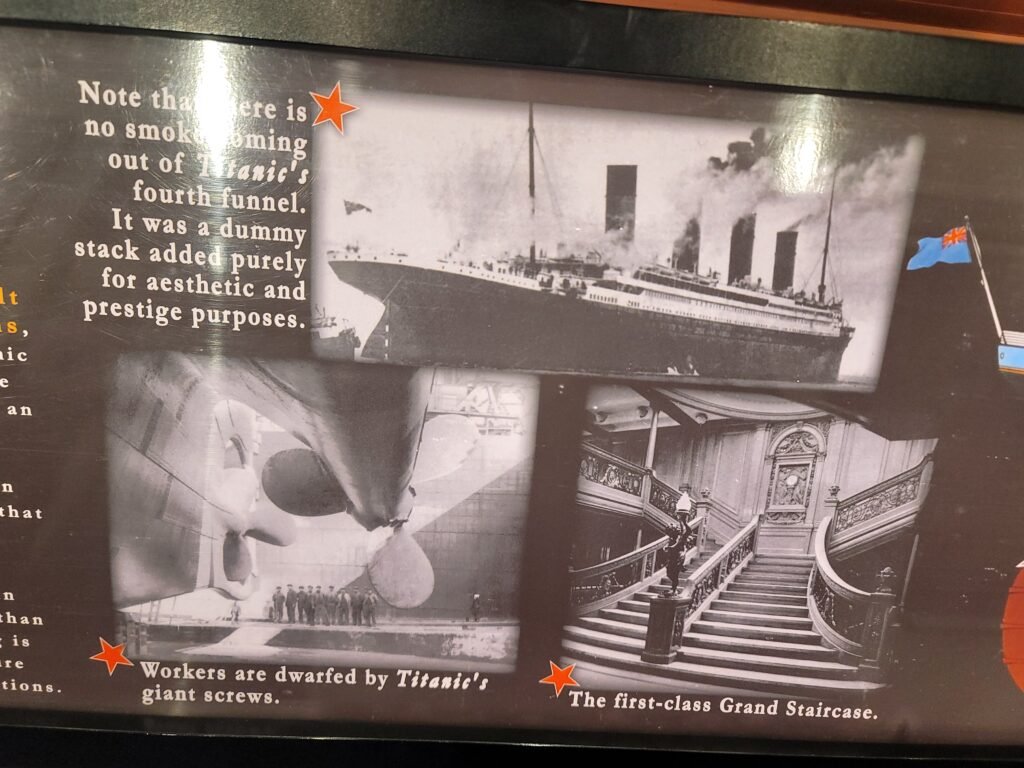
We all know the story: The ship was speeding through the dark water. But what you might not remember is what was happening in the radio room. The operators, Jack Phillips and his partner, were busy. They weren’t just chatting; they were sending out hundreds of personal passenger messages to a shore station. Think of it like a text message queue of 1912. “Tell Aunt Sally I made it. Love, Rose.”
But all throughout the day, other ships—the Carpathia, the Baltic, the Californian—were sending in urgent warnings. They were saying, “Hey, we’ve stopped. There’s ice everywhere. Ice, bergs, growlers!“
And guess what the Titanic’s operator did? In one of the most famous, heartbreaking moments in history, when the operator on the nearby Californian tried to call up and say, “We are surrounded by ice,” the Titanic operator, annoyed by the interruption of his busy workload, told him to “Shut up!”

He was too busy with the personal messages to hear the life-saving urgent warning.
Now, look. I know what that feels like. I do.
I’m telling you, I’m the worst about this in my own life.
Maybe you’re doing the same thing.
We’ve got a full radio room. It’s packed with:
- The “personal messages” of social media scrolling.
- The “busy traffic” of keeping up with every single thing your neighbor is doing.
- The overwhelming “to-do list” of making sure your house is perfect, even when you are exhausted.
And while we’re busy with all that traffic, God is trying to break through with an SOS. He’s sending a warning about the ice of bitterness, the bergs of anxiety, or the field ice of comparison that is threatening to sink your peace.
He says, “I have a word for you in the quiet,” but you tell the quiet to “shut up” because you’re busy trying to send out the next personal message about your day.
The True SOS

The good news is that when the Titanic finally hit the iceberg, and the operator switched to that distress signal—the “SOS”—there was one ship that was listening: the Carpathia. They heard the distress message, turned immediately, and steamed toward the Titanic, ultimately saving over 700 people.
Here’s the thing: God is always the Carpathia.
He is always steaming toward you, even when you’ve been ignoring the warnings. He is always listening, even when you’re telling the world to shut up.
We see this in the Gospels, right? Jesus was always breaking through the noise. Think about the story of the paralytic man. The house was packed, jammed with people, and the friends couldn’t get their paralyzed friend inside. What did they do? They climbed up on the roof, cut a hole in it, and lowered their friend down right in front of Jesus.
It was unorthodox. It was loud. It was intrusive. But Jesus saw their faith—their willingness to break through the noise—and He stopped everything. He didn’t just heal the man’s body; He forgave his sins. He dealt with the real, life-and-death SOS first.

Sometimes, we need to be like those friends. We need to stop worrying about the proper entrance and just rip the roof off our perfect schedules to get to Jesus.
God’s warnings, His gentle nudges, His voice in the devotionals—they aren’t interruptions to your life. They are what save your life.
Let’s take time today to consciously neglect the busy traffic. Let’s stop sending out all the personal messages for a minute and listen for the Shepherd’s voice. He is giving us the clear path through the ice. We just need to stop paddling and listen.
Go ahead. Take a quiet moment today. Ask God: “What warning did I miss? What instruction did I ignore because I was too busy?”
He is ready to speak. He lives even closer than your neighbor—He lives in your heart.
Let’s take time to reflect on this. Have a great day, friends.